
Introduction to TSCM in the Company and Defence Industry
Feb 17, 2026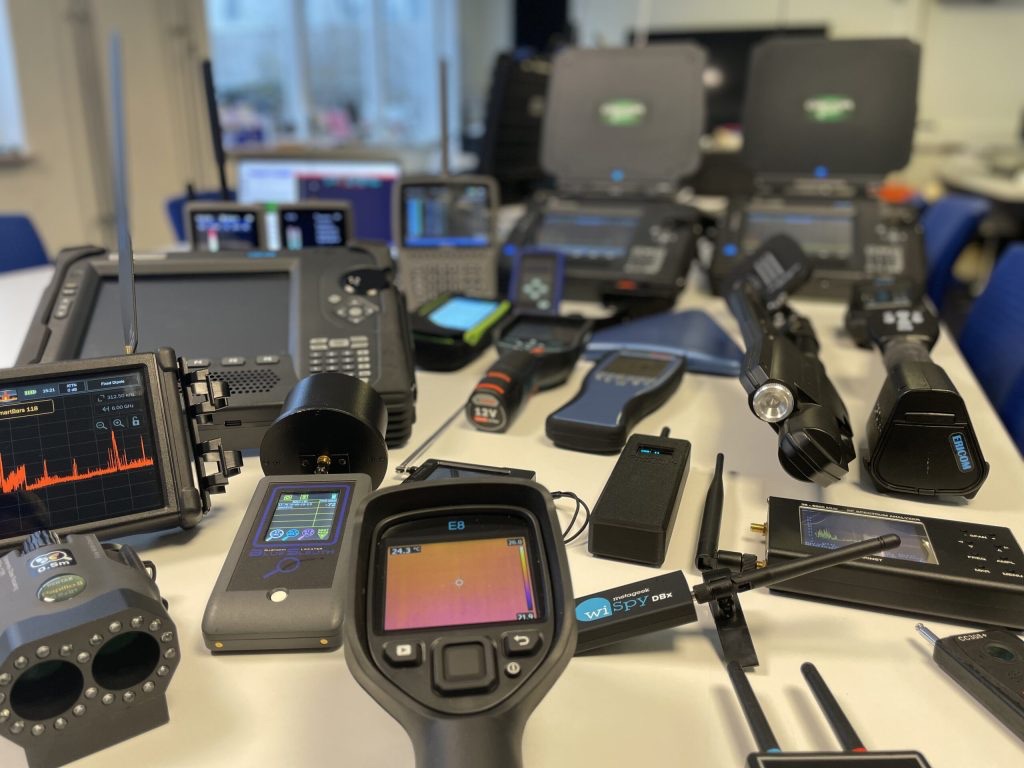
Introduction to TSCM in the Company and Defence Industry
In today’s high-risk digital and physical security landscape, TSCM in the company and Defence industry has become a cornerstone of modern security strategy. Organizations face growing threats not just from external hackers or foreign adversaries—but from within. Insider threats are among the most damaging security risks because insiders already have access, trust, and knowledge of internal systems.
Technical Surveillance Countermeasures (TSCM) are specialized procedures designed to detect and neutralize electronic surveillance devices, hidden bugs, unauthorized transmitters, and covert recording systems. In both corporate boardrooms and military command centers, TSCM helps protect sensitive conversations and classified information.
As defence projects grow more advanced and corporate intellectual property becomes more valuable, insider threat mitigation is no longer optional—it’s essential.
Understanding Insider Threats in Corporate and Defence Environments
Insider threats are individuals within an organization who misuse access to harm the company or nation.
Types of Insider Threats
Malicious Insiders
These individuals intentionally leak, steal, or sabotage sensitive information for financial gain, revenge, or ideological reasons.
Negligent Insiders
Not all threats are intentional. Employees who ignore security protocols can accidentally expose confidential data.
Compromised Employees
Some insiders are coerced, blackmailed, or manipulated by external actors, particularly in defence environments.
In defence sectors, insider threats may compromise classified military programs. In corporate settings, they may steal trade secrets, proprietary technology, or merger data.
Core Components of TSCM Programs
An effective TSCM program involves a multi-layered approach.
Electronic Sweep and Bug Detection
Specialists conduct physical inspections of offices, meeting rooms, vehicles, and secure facilities to locate hidden listening devices.
RF Spectrum Analysis
Radio frequency monitoring detects unauthorized transmissions within a controlled environment. This is critical in preventing real-time data leaks.
Physical Security Assessments
Doors, walls, furniture, HVAC systems, and power outlets are examined for hidden surveillance implants.
Secure Communications Evaluation
TSCM teams analyze communication systems to ensure encryption and prevent interception.
For detailed guidance on technical countermeasures standards, organizations often consult frameworks such as those referenced by the U.S. National Counterintelligence and Security Center (https://www.ncsc.gov).
The Role of TSCM in Insider Threat Mitigation
TSCM is not just about finding bugs—it’s about prevention and deterrence.
Detecting Covert Recording Devices
Hidden microphones and wireless transmitters can compromise executive meetings or defence briefings. Regular sweeps reduce this risk significantly.
Preventing Data Exfiltration
Insiders may attempt to transmit sensitive information using hidden devices. Spectrum monitoring helps detect unusual signals.
Securing Executive and Classified Meetings
High-level discussions require controlled environments. TSCM ensures secure meeting spaces remain free from surveillance threats.
TSCM in the Defence Industry: Unique Security Challenges
The defence industry faces extreme risk levels.
Protection of Classified Information
National security depends on safeguarding military plans, weapons development data, and intelligence operations.
Counterintelligence Measures
TSCM supports counterintelligence operations by identifying espionage equipment planted by hostile entities.
Compliance with Military Security Standards
Defence contractors must meet strict regulatory standards for secure facilities and classified material handling.
TSCM in Corporate Environments
Corporations face different—but equally dangerous—threats.
Intellectual Property Protection
Innovative technologies, patents, and proprietary processes are prime targets.
Boardroom Security
Strategic discussions about mergers or acquisitions can be worth billions. A compromised meeting could alter markets.
Mergers and Acquisition Security Risks
Corporate espionage increases during high-value transactions. TSCM sweeps reduce exposure.
Best Practices for Implementing TSCM Programs
Organizations must approach TSCM strategically.
Risk Assessment and Threat Modeling
Identify high-risk individuals, sensitive departments, and vulnerable spaces.
Frequency of TSCM Sweeps
Regular, unpredictable sweeps enhance deterrence.
Integration with Cybersecurity Teams
Physical and digital security must work together. Insider threats often combine both.
Technologies Powering Modern TSCM Operations
Modern TSCM relies on advanced equipment.
Advanced Spectrum Analyzers
Detect active and passive transmissions.
Non-Linear Junction Detectors (NLJD)
Locate electronic components hidden inside walls or furniture.
Thermal and Infrared Inspection Tools
Identify heat signatures from concealed electronics.
Legal and Ethical Considerations
Privacy Regulations
Organizations must respect employee rights while protecting assets.
National Security Compliance
Defence entities must comply with national security frameworks and export control laws.
Training and Awareness Programs
Technology alone is not enough.
Insider Threat Awareness Workshops
Educating staff reduces negligent behavior.
Reporting Mechanisms
Anonymous reporting systems help identify suspicious activity early.
FAQs About TSCM in the Company and Defence Industry
1. What does TSCM stand for?
TSCM stands for Technical Surveillance Countermeasures, which detect and neutralize electronic surveillance threats.
2. How often should TSCM sweeps be conducted?
High-risk facilities should conduct sweeps quarterly or before sensitive meetings.
3. Is TSCM only for defence organizations?
No. Corporations handling sensitive intellectual property also benefit significantly.
4. Can TSCM detect cyber threats?
TSCM focuses on physical surveillance, but it complements cybersecurity programs.
5. What equipment is used in TSCM?
Spectrum analyzers, NLJDs, thermal scanners, and RF detectors are commonly used.
6. Why are insider threats difficult to detect?
Insiders already have authorized access, making suspicious behavior harder to identify.
Conclusion: Strengthening Security Through Proactive TSCM
In an era of sophisticated espionage and increasing insider risks, TSCM in the company and Defence industry plays a critical role in insider threat mitigation. By combining advanced detection technologies, structured risk assessments, and strong awareness programs, organizations can significantly reduce vulnerability.
Security is not a one-time effort—it’s an ongoing commitment. Companies and defence institutions that proactively implement TSCM strategies position themselves ahead of evolving threats and safeguard both intellectual property and national security interests.